Excelling at Marine Construction: Planning and Constructing Premier Seawalls, Docks, and Boat Lifts
Marine construction requires careful consideration of various elements. Regulatory requirements, environmental factors, and material choices are all essential considerations. Achieving successful outcomes depends on addressing corrosion risks and maintaining structural integrity. Innovative approaches are emerging, but challenges remain. What strategies allow builders to balance sustainability with functionality? Such solutions have the potential to reshape industry benchmarks.
Exploring Marine Ecosystems: Essential Factors to Consider
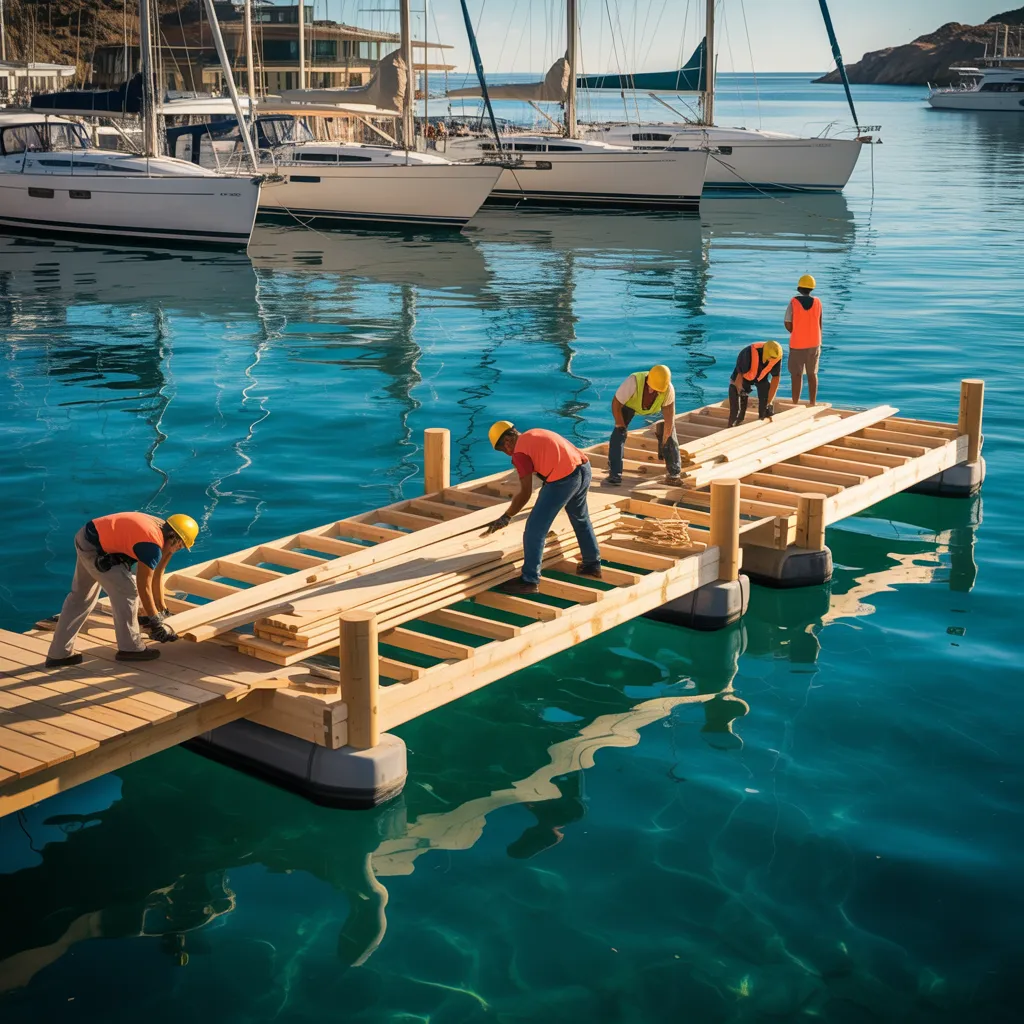
Coastal and marine settings introduce distinct challenges and factors for construction endeavors. Conditions such as tidal changes, wave forces, and current patterns greatly impact design and installation methods. The salinity of seawater can lead to accelerated corrosion of materials, necessitating careful selection of construction techniques and protective measures. Moreover, the movement of sediment and ongoing erosion can affect the durability of structures including docks and seawalls, calling for detailed site analyses ahead of construction.
Environmental guidelines are also crucial, demanding adherence to standards designed to protect ocean ecosystems. This requires evaluating nearby wildlife habitats and water conditions in the early planning stages. Moreover, the ability to reach sites with equipment and personnel can be limited in marine settings, adding complexity to the execution of projects. Taken together, recognizing these critical considerations plays a vital role in successful marine construction, ensuring that structures are structurally sound, long-lasting, and environmentally responsible.
What Are the Best Materials for Docks and Seawalls?
Selecting the right options for seawalls and docks is critical for ensuring durability and effectiveness. Several alternatives can be found, all featuring distinct strengths and potential weaknesses. Moreover, environmental factors play a crucial role in choosing environmentally responsible materials while ensuring long-term stability.
Optimal Material Selections
When deciding on materials for docks and seawalls, one must consider key factors including strength, environmental effects, and maintenance needs. Common choices include treated timber, which provides a traditional aesthetic though it often demands consistent maintenance. Concrete remains a top choice due to its resilience and lasting performance, making it ideal for heavy loads and harsh conditions. Vinyl and composite solutions deliver a reduced-upkeep choice, withstanding deterioration and corrosion, even if the initial investment tends to be more substantial. Steel, particularly galvanized or marine-grade, is strong and well-suited for heavy-duty uses, yet it needs protective treatments to avoid corrosion. At its core, the best material choice relies on specific site conditions, intended use, and budget, guaranteeing performance and durability in aquatic settings.
Environmental Aspects
Since environmental concerns hold significant importance in the material selection process for docks and seawalls, the effect on surrounding ecosystems must not be ignored. Environmentally responsible materials like recycled plastics, treated wood, and natural stone often stand out as beneficial selections. These materials not only reduce environmental disturbance but also strengthen longevity in challenging coastal conditions. For instance, using permeable surfaces can limit runoff while improving water quality. Additionally, choosing non-toxic coatings and treatments helps safeguard marine organisms. It is critically important to assess the specific environmental context, including regional vegetation and animal life, before determining appropriate materials. By prioritizing eco-friendly options, marine construction can align with ecological principles, ensuring that construction benefits rather than damages the neighboring environment.
Critical Regulations and Permits for Marine Construction
Within the marine construction industry, familiarizing yourself with critical regulations and permits is crucial for successful project execution. Local zoning laws dictate where construction of docks and seawalls is allowed, while environmental review processes assess possible effects on the surrounding ecosystem. Working through the permit application process is critical to ensure adherence to all legal requirements.
Local Zoning Laws
Local zoning laws are fundamentally important in coastal construction projects, particularly in the planning and installation of marine structures such as docks and seawalls. These regulations dictate land utilization, specifying where and how waterfront structures can be erected. Compliance with local zoning ordinances guarantees that construction aligns with community standards, environmental preservation, and land development standards. Specific permits are often required, which may include providing comprehensive plans for assessment by governing bodies. These regulations may also cover concerns such as setback requirements, structure height, and property boundaries. Neglecting to follow these regulations can lead to consequences such as fines or the removal of unauthorized structures. As a result, familiarizing oneself with key resource local zoning laws is critical for achieving success in marine construction projects.
Environmental Impact Analysis
Environmental Impact Evaluations (EIAs) serve as vital parts in the coastal construction industry, most notably for developments encompassing docks and seawalls. These assessments evaluate the likely environmental impacts of anticipated construction projects on regional ecosystems, water conditions, and natural habitats. Regulatory agencies often require EIAs to secure conformity with environmental laws and standards. The methodology commonly includes accumulating data on present circumstances, public stakeholder engagements, and determining remediation approaches for potential negative effects. EIAs serve a fundamental function in promoting sustainable practices in marine construction, directing builders toward well-considered choices that correspond with ecological preservation goals. By prioritizing ecological considerations, EIAs aid in reconciling developmental requirements with the safeguarding of coastal habitats.
Permit Request Process
Navigating the permitting process for marine construction demands close adherence to critical regulations and required permits that regulate such undertakings. This process typically involves receiving clearances from municipal, state, and federal bodies, guaranteeing adherence to ecological statutes and land-use regulations. Those applying must furnish comprehensive plans and supporting documents, including environmental impact evaluations and site analyses. Essential permits typically encompass those from the United States Army Corps of Engineers, state-level environmental bodies, and local planning boards. Processing times can fluctuate, so proactive communication with governing agencies is vital to facilitate smoother approvals. Moreover, public consultation may be necessary, allowing stakeholders to voice concerns. Skillfully managing this challenging framework is critical to any marine construction project to advance in a lawful and effective manner.
Design Principles for Durable and Aesthetic Marine Structures
Designing marine structures that are structurally sound and visually appealing requires thoughtful attention to design fundamentals. First, materials must be identified based on their ability to withstand demanding marine conditions, such as corrosion-resistant metals and treated wood. Ensuring structural soundness is critical; structures should feature balanced weight distribution to endure the pressures of waves and water flow.
Furthermore, aesthetics play an essential role in the overall appeal of maritime installations. Integrating natural elements, like plantings and color selections that match the natural surroundings, enhances visual harmony.
Additionally, functionality should not be overlooked; designs need to support effortless access and operation while guaranteeing the safety of users.
In conclusion, green practices need to be woven into the construction planning process, employing sustainable materials and reducing ecological footprint. Through harmonizing structural strength with visual appeal, waterfront construction projects can secure long-term durability and design satisfaction, efficiently fulfilling both operational and sustainability objectives.
Key Best Practices for Marine Structure Installation
Correctly installing marine structures necessitates following a set of best practices that secure both functionality and long-term performance. First, thorough site assessments are essential, including soil testing and hydrological studies, to inform design choices. Exact measurements and correct alignment during the building process eliminate structural concerns and strengthen overall stability. Employing premium materials that resist corrosion and marine wear is essential for long-lasting performance.
Furthermore, engaging experienced professionals assures that installation follows applicable regulations and safety guidelines. Adequate securing mechanisms need to be included to endure natural forces, such as wave action and tidal currents.
In addition, regular evaluations throughout and following installation help identify possible problems early, enabling necessary adjustments before they become more serious. By following these professional guidelines, marine construction professionals can guarantee that seawalls, boat lifts, and docks perform effectively while withstanding the pressures posed by waterfront settings.
Essential Tips for Prolonging the Life of Marine Structures
Upon verifying the correct setup of marine constructions, ongoing maintenance is crucial for maximizing their lifespan. Periodic checks should be carried out to detect indicators of deterioration, such as fractures, rust, or unsecured components. Resolving these problems quickly can prevent more extensive damage. Maintaining cleanliness of marine structures is just as critical; eliminating accumulated debris and biological growth preserves both structural soundness and visual appearance.
In addition, applying protective treatments can protect exposed surfaces from harsh marine environments. For wooden parts, applying preservatives will deter rot and insect damage. It is also critical to check and maintain any mechanical components, such as marine lifts, to guarantee efficient and dependable operation.
Moreover, scheduled seasonal servicing, notably before and after the winter months, can reduce possible damage caused by weather. By following these maintenance practices, dock and marine frameworks can not only survive harsh conditions but also deliver dependable performance for decades to come, which ultimately increases their overall value and functionality.
Emerging Trends in Marine Construction: What Lies Ahead?
As the marine construction sector advances, innovative trends are emerging that are set to boost both sustainability and efficiency in the design and installation of structures such as docks and seawalls. One significant trend centers on the utilization of eco-friendly materials, like recycled plastics and sustainably sourced timber, which lower environmental impact while upholding structural integrity. Furthermore, developments in modular construction methods enable faster, more flexible installations, reducing disruptions to marine ecosystems.
One other important progression is the integration of advanced technology. Sensors and monitoring systems can deliver real-time data on environmental conditions and structural health, facilitating proactive maintenance and reducing long-term costs. Furthermore, biophilic design principles are becoming increasingly popular, promoting structures that integrate with surrounding ecosystems and sustain local biodiversity.
Collectively, such trends indicate a move towards more responsible and innovative marine construction approaches, setting a new standard for upcoming developments and tackling the escalating challenges arising from environmental shifts and urban expansion.
Questions We Are Often Asked
In What Ways Do Tides Impact Dock Design and Installation
Tides play a major role in shaping dock design and installation by governing structural stability, elevation, and accessibility. Engineers must account for tidal ranges to ensure operational safety and effectiveness, adjusting structures to handle changing water levels and surrounding conditions.
What Environmental Effects Does Marine Construction Have?
Coastal development may interfere with local ecosystems, modify aquatic circulation, and impact the movement of sediments. Furthermore, such activities can result in habitat loss for aquatic species and lead to environmental contamination, calling for thorough ecological evaluations and responsible construction methods.
Can I Construct a Dock Without Hiring a Professional Contractor?
Constructing a dock without the help of a professional builder is feasible, but it demands comprehensive knowledge of local regulations, structural considerations, and environmental considerations. DIY building may lead to potential safety hazards and compliance issues if not carried out properly.
How Can I Select the Best Location for My Boat Lift?
To choose the best placement for a marine lift, one should consider water depth, distance from navigational waterways, tidal fluctuations, and potential obstructions. Additionally, evaluating local ordinances and ecological impact is vital for proper installation.
What Insurance Do I Need for Marine Construction Projects?
In marine construction endeavors, extensive insurance generally encompasses general liability protection, worker's compensation, and marine-oriented coverage. This shields against various damages, accidents, and legal liability claims, guaranteeing financial stability throughout the project's lifespan and afterward.